


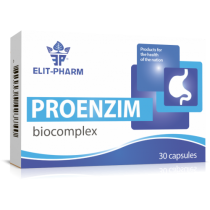





For the stomach and intestines
Digestive disorders of varying severity occur in 80% of the adult population. This is facilitated by an unhealthy lifestyle, and poor nutrition, and the not always satisfactory quality of products, and the abuse of certain medications.
Symptoms such as abdominal pain, changes in stool, nausea, vomiting, belching or heartburn have bothered each of us at least once.
Traditionally, the following subgroups of drugs are used to improve digestion :
Sorbents - absorb bacteria and their toxins, gases, protect the gastrointestinal tract from irritants, which leads to a decrease in diarrhea and flatulence (bloating), a decrease in the duration of intestinal infections.
Enzymes - help break down proteins, fats and carbohydrates in situations where the own enzymes produced by the pancreas are not enough to digest food.
Blockers of the "proton pump" - have antisecretory (reduce the secretion of hydrochloric acid in the stomach), anti-inflammatory and analgesic effect, but only a doctor can prescribe them.
Probiotics are a complex of microorganisms that are representatives of the normal microflora, mainly lactobacilli and bifidobacteria. They inhibit the reproduction of pathogenic microbes and their attachment to the intestinal wall, normalize immunity. Permissible long-term use.
In addition, vitamins B and K, without which the work of the nervous, musculoskeletal and hematopoietic systems is impossible, are also synthesized by beneficial inhabitants of the lower gastrointestinal tract.
Laxatives - help the spontaneous act of defecation, causing chemical (buckthorn, hay, castor oil) or mechanical (sodium and magnesium sulfates, lactulose) irritation of mucosal receptors. Effective for constipation, but should not be used continuously to avoid serious complications. Contraindicated in acute surgical conditions (appendicitis, peritonitis, intestinal obstruction, etc.), fever and exacerbation of inflammatory processes in the abdominal cavity.
In most cases, GI symptoms are varied and multiple medications are needed to achieve optimal results.
The maximum effect is possible with the simultaneous organization of proper nutrition:
- eating often, but in small portions;
- liquid volume 1.0 - 2.5 liters per day (depending on weight);
- exclusion of fast food, fatty, fried, smoked and carbonated drinks;
- restriction of sweets and spices;
- a sufficient amount of vegetables and fruits in the diet.

