


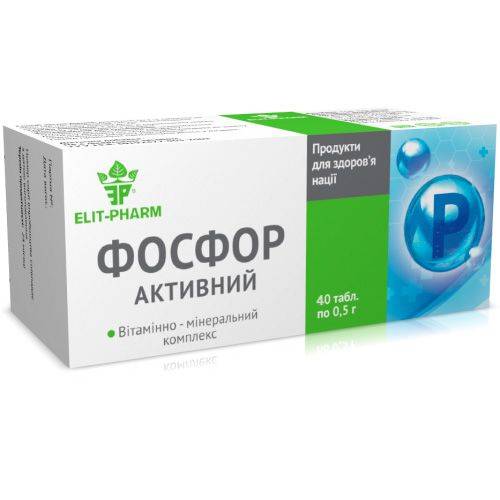
Phosphorus is an essential element that is part of proteins, nucleic acids, and bone tissue. Phosphorus compounds are involved in energy metabolism (adenosine triphosphoric acid and creatine phosphate are energy accumulators), mental and muscular activity of the heart and kidneys are associated with their transformations.
Phosphorus is the food for the brain, nerves, bones, muscles.
Performs structural functions - is part of the bone tissue, provides acid-base balance. Participation in the processes of growth, cell division, storage and use of genetic information.
Provides regulation of metabolic processes, nerve impulse conduction and muscle contraction.
About 80% of the phosphorus in our body is in the bones. The remaining 20% is vital for turning food into energy. It is one of the main components of bone tissue. Phosphorus is also necessary for the reaction of energy metabolism, it has a positive effect on libido, is involved in most metabolic reactions, including such as the formation of nucleoproteins responsible for cell division and reproduction of offspring.
Phosphorus is essential for bone and tooth formation, cell growth, heart muscle contraction, and kidney function. It helps the body absorb vitamins and convert food into energy. The balance of magnesium, calcium and phosphorus must be constantly maintained in the body, since a deficiency or excess of one of these elements has a negative effect on the state of the body.
This is the second element after calcium in terms of content in the body, most of it is concentrated in bones, dental tissues and skin. Phosphorus maintains the pH balance. He plays a leading role in the activity of the central nervous system. The effectiveness of phosphorus in the body depends on its balance with calcium and vitamin D.
Deficiency of phosphorus nutrition leads to a weakening of the whole organism, a delay in bone mineralization, the development of rickets in children, osteomalacia, and osteoporosis.










You can be the first!